



 Perfect for All Birds & Feeders
 Lab Tested by Biologists
 100% USDA Organic Ingredients
 Zero Fillers, Chemicals, or Toxins
 Hand-Mixed in New York
 Mess Free, Easy Pour Carton
Perfect for All Birds & Feeders
Lab Tested by Biologists
100% USDA Organic Ingredients
Zero Fillers, Chemicals, or Toxins
Hand-Mixed in New York
Mess Free, Easy Pour Carton
Perfect for All Birds & Feeders
Lab Tested by Biologists
100% USDA Organic Ingredients
Zero Fillers, Chemicals, or Toxins
Hand-Mixed in New York
Mess Free, Easy Pour Carton
Mess Free, Easy Pour Carton
Perfect for All Birds & Feeders
Lab Tested by Biologists
100% USDA Organic Ingredients
Zero Fillers, Chemicals, or Toxins
Hand-Mixed in New York
Mess Free, Easy Pour Carton
Perfect for All Birds & Feeders
Lab Tested by Biologists
100% USDA Organic Ingredients
Zero Fillers, Chemicals, or Toxins
Hand-Mixed in New York
Mess Free, Easy Pour Carton
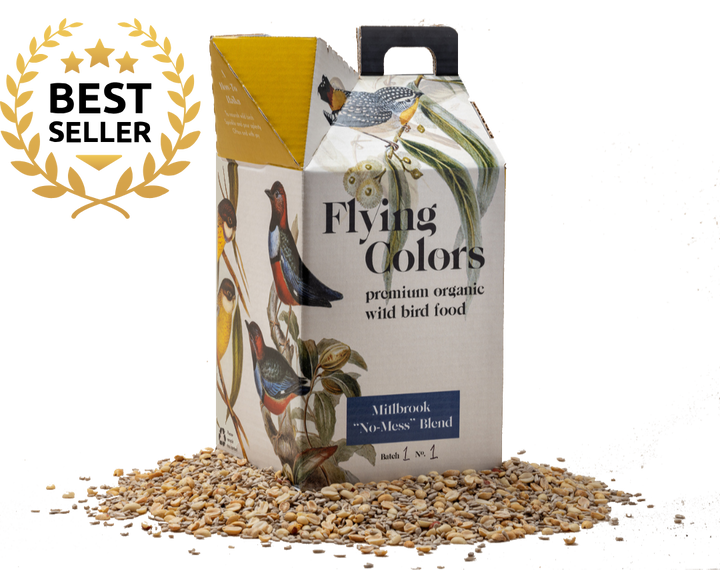
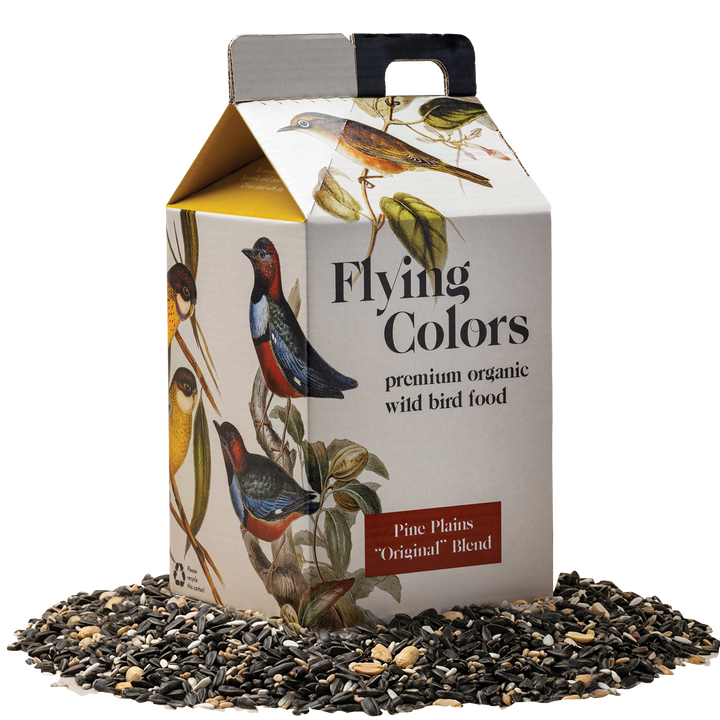
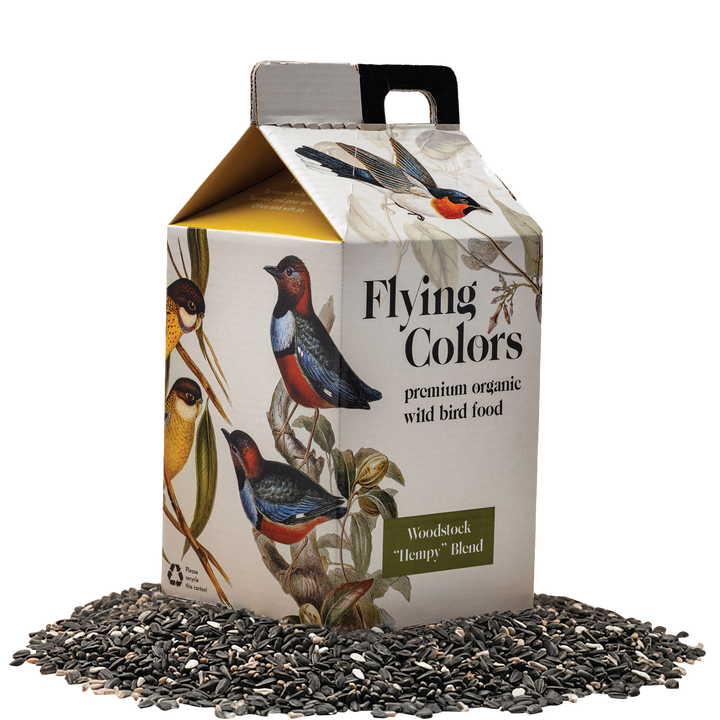
The lineup
Five formulas. Zero fillers.
Every blend was developed with ornithologists and analyze for maximum nutrition and quality. The same guaranteed analysis you would read on your own food.
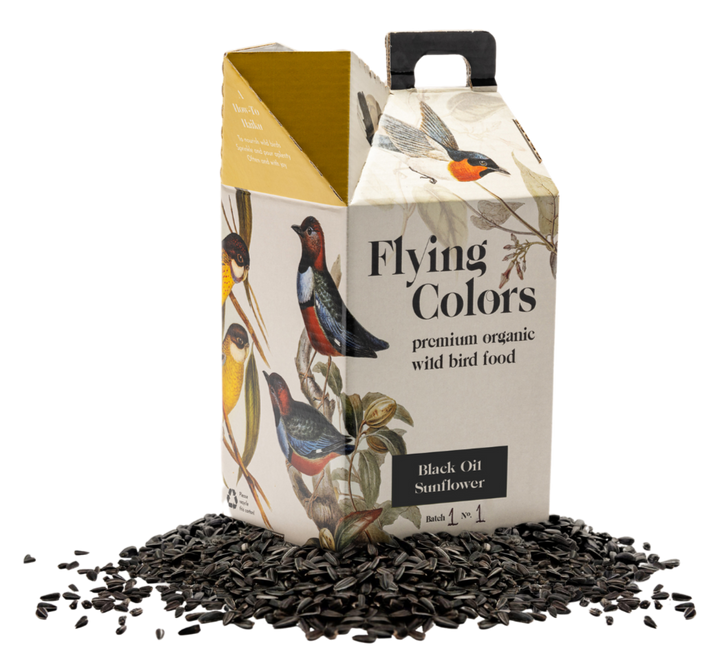
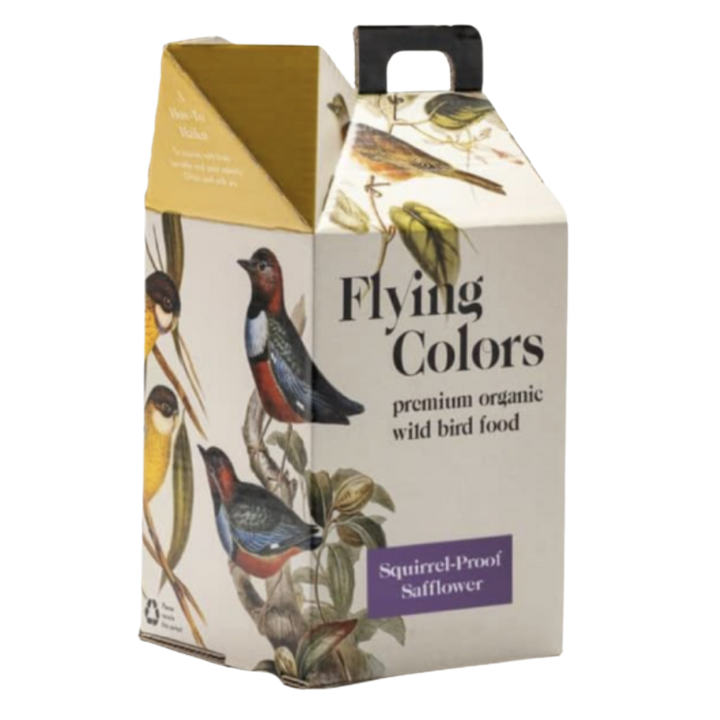
Our scientific advisory board
The flock behind the seed
We've assembled a team of leading ornithologists and conservation scientists with expertise spanning migratory physiology, farmland bird ecology, and zoological animal care. We work with them to translate cutting-edge research directly into product development.


THE REVIEWS ARE IN
200+ Happy Customers
Trusted by hundreds of bird lovers

MADE BY PEOPLE WHO TAKE BIRDING VERY SERIOUSLY
Healthy Soil. Happy Birds. A Better Tomorrow.
We're a team of lifelong bird lovers, working with seed scientists, ecologists, and farmers to craft blends that are as nutritious as they are sustainable.
We test every batch ourselves—so we know birds love it, and the planet benefits too.
AMERICAN-MADE BIRD HOUSES
Top-quality bird houses made in the USA


Why organic matters
Conventional bird seed can carry pesticide residue that does not stay put. Here is what happens once it reaches a feeder.
Pesticides build up in small bodies
Songbirds and backyard birds are tiny compared to the animals most pesticide safety limits are built around. Residue that looks like a trace amount to a regulator can accumulate fast in a bird's system, weakening feathers, hearts, and immune systems over time.
Treated seed can poison instead of nourish
Seed coated in agricultural chemicals does not tell the difference between a pest and a wild bird. For migrating and nesting birds, a single exposure can be enough to disrupt a migration pattern or a nesting cycle, not just spoil a meal.
Fillers offer no nutrition, and birds know it
Cheap fillers like dyed grain and corn add bulk, not nutrition, and can disrupt digestion. Wild birds sort through it and leave the rest, so a feeder that looks full is often mostly waste.
What is sprayed on the field ends up in the yard
Residue does not stay on the seed. It moves through droppings, feeders, and soil, then back into the yard where birds return to feed. Organic sourcing is the only guarantee of safety at every step.
Songbird declines are not just about habitat
Backyard bird populations have fallen for decades. Habitat loss gets most of the attention, but contaminated food is a compounding factor, and it is one that a bag of organic seed can actually help fix.
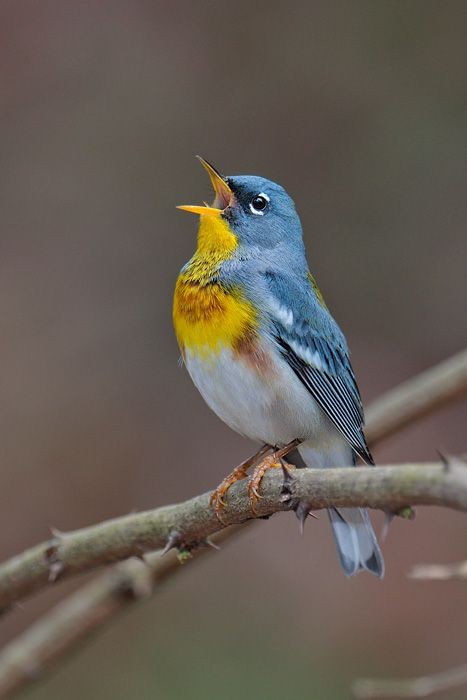
You are not just buying seed. You are buying what backyard birds actually eat, and what nourishes them.
Just like us, a bird can fill up and still go hungry. Quality is what counts, not weight. We build every carton without filler, so every seed in it earns its place. Flip between the three views.
The Carton
Shown here: Pine Plains
A common seed mix
The carton comes in five options, three blends and two single seeds. Each one is built from feeder preference research, so the mix matches the birds you actually get.
Mix percentages are illustrative, pending final recipe data. Fat and protein figures are reference values for each seed type, not lab results for a given lot. Which seeds birds accept or refuse is from Horn 2014 and Geis 1980.
Subscribe to The Flyer
our #birdnerd newsletter
Fresh stories from the skies, delivered once a month. Explore original content, curious tales from the world of birding, hand-picked products we uncover in our travels, and stunning photos captured by our community. No spam—just pure bird-loving goodness.
JOIN OUR FLOCK ON INSTAGRAM



Bird Seed Ships Free, Always

Loved by birders everywhere

Designed with bird experts

10% off + worry-free delivery

Gentle on birds, gentle on Earth


